Do I need a street closure in Highams Park? Council rules
Posted on 12/07/2026
If you are planning a move, a large delivery, or any job that needs a van parked close to your property, the question comes up fast: do I need a street closure in Highams Park? Council rules can feel a bit murky at first, especially when you are juggling parking, neighbours, access, and a moving day that already has enough moving parts. Truth be told, most people do not need a full street closure. But some do need some form of permission, traffic management, or parking suspension to keep things legal and sensible.
This guide breaks it down in plain English. You will learn when a closure is actually needed, what council rules usually mean in practice, how to judge the difference between a simple permit and a more serious restriction, and what to do next if your road is tight, busy, or awkward. I will also cover the practical side: the sort of local details that make a move smooth rather than stressful, because in Highams Park the wrong assumption can turn a tidy plan into a mildly chaotic morning.
![Close-up view of a metal gate with a sign attached, indicating dog control and stating 'Dogs allowed here.' The sign features a black silhouette of a dog inside a green circle and is mounted at the center of the gate. The gate is constructed of dark metal with horizontal and vertical bars reinforced by wire mesh. The gate is situated outside a residential property, with a background of blurred trees and sunlight filtering through leaves, suggesting a park or garden area. The ground nearby appears to be paved or concrete, suitable for moving and loading furniture or boxes during a home relocation. The scene reflects the outdoor environment where a professional removals team, such as [COMPANY_NAME], might load or unload items during a house move or furniture transport, ensuring compliance with local regulations especially when moving through public spaces.](/pub/blogphoto/do-i-need-a-street-closure-in-highams-park-council-rules1.jpg)
Why Do I need a street closure in Highams Park? Council rules Matters
A street closure matters because it changes what vehicles, residents, and visitors can do on the road. It is not just a bit of red tape. It is about keeping people safe, protecting access, and making sure the move or delivery does not block emergency routes, buses, turning spaces, or a neighbour's driveway. In a residential area like Highams Park, that can matter more than people expect.
The phrase "street closure" is also used loosely. Some people really mean a temporary road closure, while others mean a parking suspension, bay suspension, or a simple arrangement that allows a removal van to stop for loading. Those are very different things. If you only need the van to park outside for an hour or two, a closure is often overkill. If you need the whole carriageway kept clear for safety or for a very large piece of equipment, then the council may expect more formal arrangements.
Highams Park has a mix of terraced streets, busier routes, station-adjacent roads, and narrower residential pockets. That blend is exactly why planning matters. A van can seem small on paper, then suddenly feel huge when it is wedged between parked cars, school traffic, and a line of bins. Been there, seen that. The road looks fine on a map, and then the real-life version tells a different story.
If your move also involves awkward access, see how local access issues are often handled in this E4 postcode moving guide on parking permits and access. It is a useful companion read if you are trying to work out how the whole puzzle fits together.
How Do I need a street closure in Highams Park? Council rules Works
In practical terms, the process usually starts with one simple question: what exactly is going to be in the road? A small van stopping briefly is one thing. A lorry, crane, skip delivery, multiple vehicles, or equipment that needs a protected area is something else entirely. The council will usually look at the nature of the obstruction, the timing, the location, and the impact on public access.
Most everyday house moves do not require a full street closure. Instead, you may need parking permission, a suspension of parking bays, or written approval to use a loading area. Council rules often come down to whether the activity creates a genuine obstruction. If the road remains passable and safe, a full closure is less likely. If traffic would be forced to stop or divert, the bar is higher.
There is also a difference between planning and permission. Planning means you have thought through arrival time, van size, access width, and where people will stand. Permission means the relevant authority has agreed to the arrangement. Do not mix the two up. It happens all the time, and then the van turns up while everyone is still trying to figure out who was meant to ask whom. A classic moving-day facepalm, really.
For local moves close to the station, traffic flow can be a deciding factor. That is why articles such as moving near Highams Park Station with route and parking tips can be genuinely helpful if your property sits near heavier footfall or tighter on-street parking.
What usually triggers extra council involvement?
- A van or vehicle that will block both sides of the road
- Repeated loading that cannot be done from the kerb safely
- Large items that need a wider working area
- Moves on roads with limited passing space
- Works during busy times, school runs, or commuter periods
- Any situation where pedestrians may be forced into the carriageway
And yes, sometimes the issue is not the road itself but the knock-on effect. If your loading plan means cars cannot get by without reversing for a long stretch, a closure or parking suspension may be the more sensible route.
Key Benefits and Practical Advantages
When the right permissions are in place, the whole day tends to feel calmer. That alone is worth something. A properly managed loading setup reduces arguments with neighbours, avoids fines, and gives the removal team space to work without improvising every five minutes.
The biggest practical benefits are:
- Safer loading and unloading - less risk of someone stepping into live traffic.
- Better timekeeping - the crew spends less time circling or relocating the vehicle.
- Fewer access problems - especially on narrow Highams Park roads.
- Reduced damage risk - fewer rushed carries, fewer scrapes, fewer "how did that happen?" moments.
- Less neighbour friction - because people usually cope better when they have notice.
There is also a commercial benefit if you are comparing removal providers. A company that understands local access and council processes is often easier to work with than one that treats every move like a blank page. If you want to compare the broader service landscape, the services overview is a good place to see how different types of moving support fit together.
Expert summary: In most Highams Park moves, you are more likely to need parking control or loading arrangements than a full street closure. The key is matching the level of permission to the actual risk, obstruction, and traffic impact.
Who This Is For and When It Makes Sense
This topic is not just for large removals. It can apply to homeowners, flat movers, office relocations, students with a heavier load than expected, and anyone arranging a bulky delivery. If you are asking whether you need a street closure in Highams Park, council rules become relevant whenever your plan involves public highway space in a way that could affect other road users.
You are more likely to need formal permission if you are:
- Moving from a property on a narrow residential road
- Using a large van or several vehicles
- Handling a piano, wardrobe, sofa, or other oversized item
- Moving from a flat where items must be carried a long distance
- Working near a busy junction or a road with limited parking
- Managing a same-day move where timing is tight and flexibility is low
For delicate or unusually heavy items, a street setup matters even more. A piano, for example, is not just heavy; it is awkward, valuable, and awkward again. If that is on your list, take a look at the risks of moving a piano alone and also piano removals in Highams Park if you want the specialist angle.
Students and renters often underestimate access issues because the furniture seems manageable at first glance. Then the mattress arrives. Then the desk. Then the monitor stand. Suddenly the hallway looks like a narrow little tunnel and everyone is asking if the lift is "really that small". If that sounds familiar, student removals in Highams Park can be relevant to the kind of move where space planning matters more than brute force.
Step-by-Step Guidance
If you want a sensible way to decide whether a street closure is needed, work through it in order. You do not need to overcomplicate the process. You just need to be honest about the road, the load, and the likely disruption.
- Assess the road width and parking situation. Can a van stop legally without blocking traffic? Is there room for another vehicle to pass?
- Check the nature of the job. Is this a standard house move, a bulky item delivery, or something that needs more space?
- Look at timing. School run hours, commuter periods, and bin day can all make a simple job harder than it should be.
- Work out whether the obstruction is brief or prolonged. A short loading stop is very different from a long unload with repeated trips.
- Decide what level of permission is realistic. Parking suspension, loading approval, or a closure are not interchangeable.
- Speak to the council or the property manager early if needed. Do not leave it until the day before and hope for the best.
- Brief the movers clearly. Make sure everyone knows where the van will go, where the load will be staged, and what to do if the road gets busy.
Before moving day, it also helps to reduce the amount of stuff being handled at all. That is why decluttering advice like move like a pro with decluttering techniques can save more time than people expect. Fewer boxes usually means less time blocking the street. Simple, but effective.
If you are packing yourself, do not leave boxes half-done the night before. A solid packing plan from the ultimate cheat sheet for packing during a house move can help keep the day controlled, which in turn keeps roadside delays down. And yes, controlling cardboard chaos is a real moving skill. Not glamorous, but real.
Expert Tips for Better Results
There are a few habits that consistently make street access problems easier to manage. None of them are complicated, which is probably why people skip them. Then they pay for that decision in time, stress, and a slightly damp feeling of panic in the stomach.
- Start earlier than you think. Councils do not always process things instantly, and a late request narrows your options.
- Measure the actual access route. Not just the front road. Include gates, kerbs, alleyways, internal stairs, and turning space.
- Choose the right vehicle size. A smaller van can sometimes avoid the need for bigger restrictions altogether.
- Use clear kerbside staging. Do not create a pile of boxes in the road "just for a minute". That minute can become awkward fast.
- Protect the items that are hardest to re-handle. Sofas, TVs, and fragile white goods are the ones that suffer most when plans change.
If your move includes white goods, it is worth getting the item preparation right as well. A practical read like keeping your freezer ready when it's not in use can stop a simple appliance from becoming a nuisance on moving day.
And if you are dealing with a tricky staircase, a tiny lift, or a building with awkward landing space, you will probably appreciate safe fixes for narrow stairs or small lifts in Highams Park. Access problems often travel in a pack, not alone. One issue leads to another. That is how these things go.
Small aside: the best moves often look boring. That is a compliment. No drama, no frantic phone calls, no last-minute road arguments. Boring is good here.
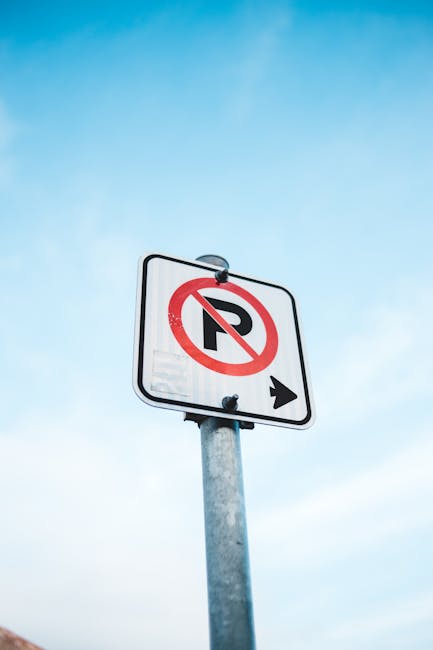
Common Mistakes to Avoid
The most common mistake is assuming any stop in the road counts as a simple loading job. It might. Or it might not. If you guess wrong, you can end up with a vehicle parked badly, frustrated residents, and unnecessary delays. Not ideal.
Other mistakes crop up again and again:
- Leaving permission too late - councils and building managers need time.
- Assuming a neighbour is fine with it - goodwill matters, but it is not permission.
- Using the wrong term - "street closure" and "parking suspension" are not the same thing.
- Not checking whether the van can legally wait - a legal loading bay is not the same as an empty patch of road.
- Forgetting school or rush-hour pressure - Highams Park traffic patterns can change the practicality of a road in a hurry.
- Overestimating how quickly loading will take - the second and third trips are usually slower than the first.
There is also a pricing mistake that sneaks up on people. If the street setup is awkward, some quotes change because more time, more crew, or different vehicle arrangements are needed. That is not always a bad thing, but it should be explained clearly. For that, this guide to decoding removals pricing is handy.
One more thing: do not assume bulky waste can simply be dropped outside and dealt with later. If you are clearing a property, understand disposal timing and responsibilities first. bulky waste disposal options and costs in Highams Park can help you avoid an awkward pile-up on the pavement.
Tools, Resources and Recommendations
You do not need a toolkit full of specialist gadgets to solve this problem. You need a few practical checks and the right references before the van arrives.
- Measuring tape - to confirm gate widths, corridor space, and vehicle clearance.
- Simple site photos - useful for showing the mover or the council what the frontage looks like.
- Calendar reminders - for permit deadlines, booking windows, and property handover times.
- Inventory list - so the team knows which items are high priority and which can wait.
- Access notes - include stair count, lift size, nearest legal stop, and any restrictions.
For a broader move plan, there are a few internal guides worth having open on another tab. house removals in Highams Park is useful if this is a full domestic move, while man with a van in Highams Park and man and van Highams Park help when you are comparing lighter, more flexible options.
If you are moving a flat, or the building access is the real headache rather than the road itself, flat removals Highams Park can be more relevant than a generic house-move guide. Likewise, removal services in Highams Park and removal companies in Highams Park are useful if you are comparing support levels rather than just booking the cheapest vehicle.
Law, Compliance, Standards, or Best Practice
Because this topic touches public roads, it is worth being careful. In the UK, road closure decisions, parking controls, and traffic management are normally governed by local authority processes and highway rules. The exact requirement depends on the road, the extent of the obstruction, and whether the public highway is affected. So, the honest answer is: there is no one-size-fits-all rule for every Highams Park street.
Best practice is to treat any potential obstruction seriously. If your move may block traffic, access, emergency routes, or pedestrian space, ask early whether you need a formal arrangement. If you only need temporary loading, that still may require permission, but not necessarily a full closure. The distinction matters.
It also helps to work in line with the mover's own safety and insurance processes. A decent operator should be able to explain how they handle roadside loading, who is responsible for what, and what happens if access changes on the day. That is why pages like insurance and safety, health and safety policy, and terms and conditions are worth checking if you want to understand the practical side of a move.
If you are worried about payment security or the booking process, payment and security is a sensible read as well. And for people who value a company's wider standards, about us, recycling and sustainability, and accessibility statement help build a fuller picture.
Options, Methods, or Comparison Table
Not every move needs the same level of control. Here is a practical comparison of the most common options people consider when planning access in Highams Park.
| Option | Best for | Typical impact | When it makes sense |
|---|---|---|---|
| Brief kerbside loading | Small to medium moves | Low | When a van can stop safely and legally without major obstruction |
| Parking suspension or bay control | Normal home moves in tighter roads | Moderate | When parked cars would otherwise prevent safe loading |
| Temporary road closure | Large deliveries, difficult access, or high-risk loading | High | When the road cannot stay safely open during the operation |
| Timed or off-peak move | Busy roads or commuter-heavy streets | Variable | When timing is the easiest way to reduce disruption |
In real life, the right answer often sits in the middle. A lot of people think in binaries: either no action or full closure. But most Highams Park moves live in the grey area. A careful loading plan plus a sensible vehicle choice is often enough. For some jobs, especially those with the clock ticking, a same-day removals service in Highams Park can be the practical answer, because it compresses the whole operation into a tighter, more controlled window.
If you are planning a moving job from a station-adjacent or busier route, the comparison becomes even more important. The difference between a quick loading stop and a street-level bottleneck can be just a few metres, honestly.
Case Study or Real-World Example
Here is a realistic example from the sort of situation people often face. A couple moving out of a first-floor flat in Highams Park had booked a van for late morning. The road was narrow, parking was already tight, and there was a steady flow of cars from nearby streets. At first, they assumed the van could just wait outside for half an hour while boxes were carried down.
On the day, that would have caused a mess. There was not enough room for through traffic, and the van's position would have forced other drivers to reverse awkwardly. Instead, they shifted the plan slightly: they arranged a better loading window, reduced the number of loose items by packing earlier, and moved the heaviest furniture first. No full street closure was needed, but the road still required careful management and a clearer loading plan than they originally expected.
What made the difference? Three things:
- They measured access before moving day
- They packed in a way that made trips faster
- They accepted that a "quick" move still needs proper coordination
That is the lesson, really. Most of the time, the issue is not whether you can move at all. It is whether your plan respects the road you are using. Once you do that, everything gets easier.
Practical Checklist
Use this simple checklist before you decide whether you need a street closure in Highams Park.
- Confirm the exact street and parking layout
- Check whether the van can stop without blocking traffic
- Measure gates, paths, stairwells, and lift access
- List any oversized or fragile items separately
- Decide whether loading will be brief or prolonged
- Consider peak traffic times and school runs
- Ask whether parking suspension is enough instead of a full closure
- Give neighbours notice if access may be affected
- Check the moving company's safety and insurance arrangements
- Keep a backup plan for the vehicle if roadside space disappears
If you are still in the planning stage, a few related reads can help tighten the rest of your move: packing and boxes in Highams Park, removal van Highams Park, and removals Highams Park. They are useful if you are trying to turn a rough idea into a proper plan.
Conclusion
So, do you need a street closure in Highams Park? Usually, no. Most moves only need sensible parking arrangements, good timing, and a clear understanding of whether the van can load safely without causing an obstruction. But if your road is narrow, busy, or awkwardly parked, council rules become part of the picture very quickly, and it is much better to check early than to guess.
The best approach is calm and practical: measure the access, think through the traffic impact, decide whether a parking suspension is enough, and only escalate to a full closure if the situation truly needs it. That way you avoid fines, delays, and a fair bit of unnecessary stress. And honestly, that is half the battle with any local move.
If your move feels like it is drifting from simple to complicated, take a breath and work through the access step by step. A careful plan today saves a noisy headache tomorrow, and that is worth doing properly.
Get a free quote today and see how much you can save.
![Close-up view of a metal gate with a sign attached, indicating dog control and stating 'Dogs allowed here.' The sign features a black silhouette of a dog inside a green circle and is mounted at the center of the gate. The gate is constructed of dark metal with horizontal and vertical bars reinforced by wire mesh. The gate is situated outside a residential property, with a background of blurred trees and sunlight filtering through leaves, suggesting a park or garden area. The ground nearby appears to be paved or concrete, suitable for moving and loading furniture or boxes during a home relocation. The scene reflects the outdoor environment where a professional removals team, such as [COMPANY_NAME], might load or unload items during a house move or furniture transport, ensuring compliance with local regulations especially when moving through public spaces.](/pub/blogphoto/do-i-need-a-street-closure-in-highams-park-council-rules3.jpg)